

Mold Scares Buyers. Here’s How to Handle It the Right Way
Mold is one of those things that immediately gets people’s attention.
For buyers, it can feel like a red flag that signals expensive problems.
For sellers, it can feel overwhelming… they’re often tempted to ignore mold concerns in hopes that others might not notice.
In reality, most mold situations are far more manageable than people think. And how you handle it matters more than the fact that it’s there.
Why mold feels like such a big deal
When buyers hear the word “mold,” it often triggers a worst-case scenario. They start to imagine:
a major underlying issue
costly remediation
long-term health concerns
It’s not unusual for buyers to assume the solution comes with a five-figure price tag, when in reality it may be much simpler and significantly less costly to address.
That’s where deals can start to fall apart, before anyone has all the information.
What actually matters
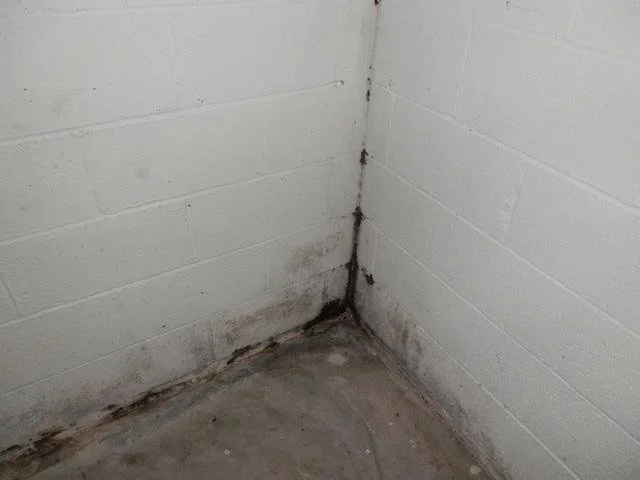
A common example of the kind of basement moisture and surface mold we often see in older homes. It may look concerning at first glance, but many situations like this are manageable when addressed early and evaluated properly.
There are a few things we look at right away when mold comes up:
moisture and ventilation (the most important factors in prevention)
whether the issue is small and contained
whether it appears to be active or ongoing
and whether it’s something that should be evaluated by a professional
Small, early-stage issues are often straightforward to address.
Addressing moisture, improving ventilation, and treating the area early can prevent a small issue from becoming a larger concern.
In many cases, simple steps like using a dehumidifier, improving air circulation with an attic fan, or adjusting your HVAC settings to keep air moving can make a meaningful difference in reducing moisture and creating a less favorable environment for mold.
It’s also worth noting that not all dark or black-colored mold is the “toxic black mold” you may have heard about.
That type of mold, known as Stachybotrys, typically appears as a darker greenish-black and is more commonly found in consistently warm, humid climates. Here in Ohio, where our climate varies quite a bit throughout the year (and sometimes throughout the day), it’s much less common than people expect.
Not all mold is treated the same, and some types are evaluated much more conservatively than others. That’s why it’s important not to jump to conclusions based on appearance alone.
If something looks concerning, the best next step is to have a qualified professional take a closer look and provide clear guidance.
Why early action makes a difference
Where things become more complicated is when mold is ignored. Or worse, when it’s hidden.
That’s when buyers start to lose confidence, and small issues begin to feel much bigger than they are.
Mold is one of those things where perception matters just as much as reality. When it’s addressed early and handled properly, it tends to stay manageable. When it’s left alone, it can quickly become a sticking point in a transaction.
The smarter way to handle it
In most cases, the best approach is simple:
Address it early.
Be transparent.
Bring in a professional when needed.
For anything that seems persistent or larger in scope (generally more than about 10 square feet), there are qualified professionals who can:
evaluate the situation
test if needed
and recommend appropriate treatment
How this impacts your sale
From a real estate perspective, this matters more than most people realize.
A small issue that is addressed properly tends to stay small.
An issue that’s left alone or hidden can:
scare buyers
reduce offers
or prevent offers altogether
And in many cases, the cost to address the mold issue is far more reasonable than homeowners expect, and almost always far less than buyers assume when they first see it.
When mold is visible but not yet addressed, buyers tend to fill in the blanks. That uncertainty can lead to requests or concessions that are significantly higher than the actual cost of resolving the issue. Addressing it upfront helps remove that uncertainty before it becomes part of the negotiation.
Where experience matters
This is one of those areas where experience really matters.
We know what to look for, who to call, and how to address concerns early so they don’t become obstacles later in the process.
If a closer evaluation is needed, we can also help connect you with reputable, qualified professionals who can assess the situation and recommend the right next steps.
It’s not about overreacting. It’s about understanding what matters, what doesn’t, and how to handle it the right way.
A conversation worth having
If you’ve noticed something in your home and aren’t sure what to make of it, you’re not alone. And it’s a conversation worth having sooner rather than later. Most situations are more manageable than they seem, especially when addressed early.
Let’s connect!
Kenney & Co Group at KW Consultants Realty
Local Roots. Smart Moves. Lasting Wealth.
📍 Based in Central Ohio | Helping buyers, sellers, and investors
Teresa 📞 614-975-8370 | 📧 teresakenney@kw.com
Sheila 📞 614-264-1800 | 📧 sheilagibbons@kw.com
Liz 📞 614-517-2268 | 📧 lizkoehler@kw.com
🌐 kwkenneyandco.com | 🌐 teresakenneyrealty.com